
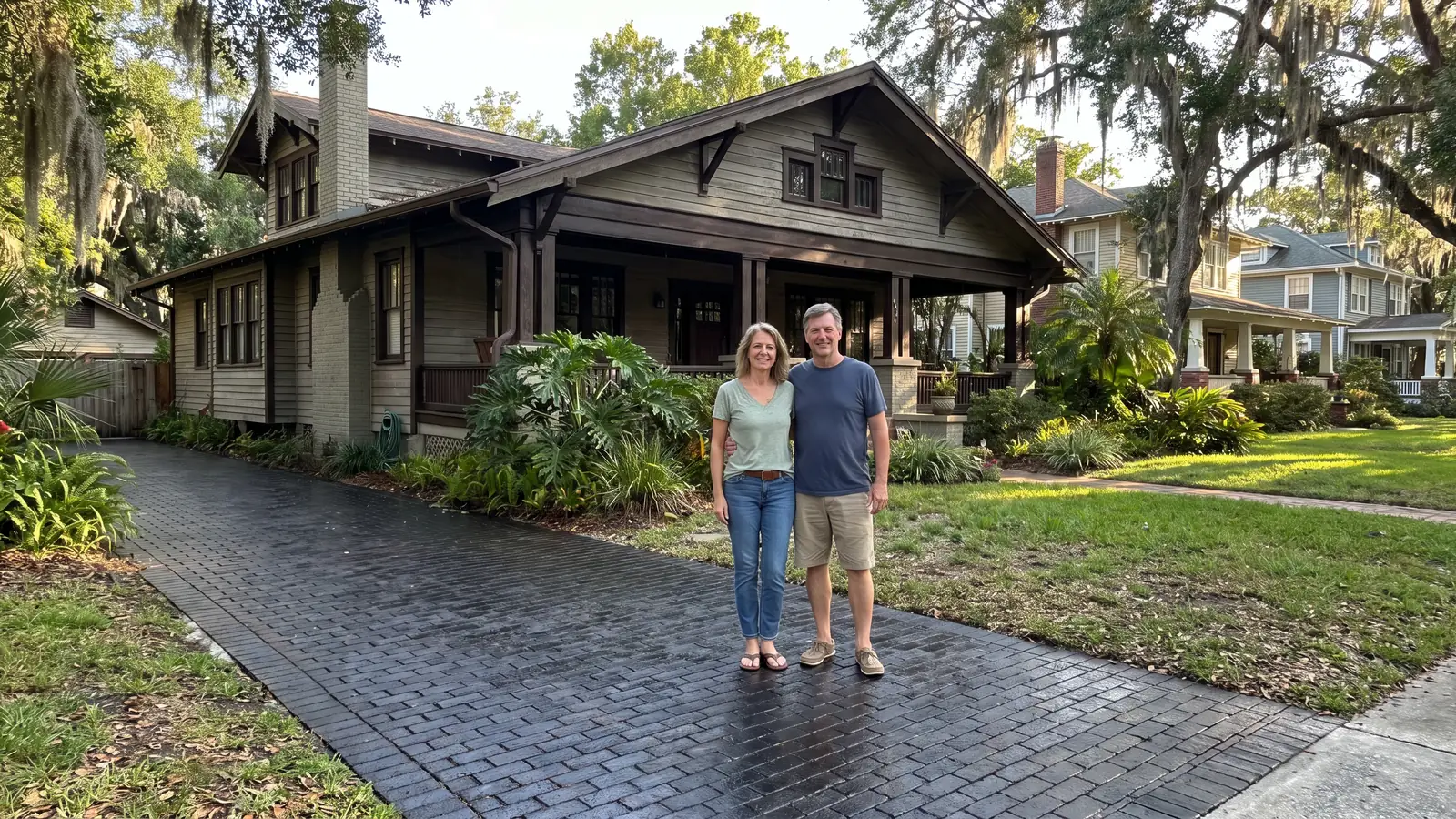
Paver sealing for Highlands homes
Paver Sealing in Highlands, FL
Between Dunn Avenue and the Trout River, Highlands pavers can be sealed; call (904) 543-3876 for a free estimate.
- Brings out deeper paver color
- Fresh joint sand helps lock pavers in place
- Gives weeds less room to grow
- Makes the surface easier to keep clean
- Free estimate, no obligation
Request a Free Estimate
Free, no obligation.
Fast, careful paver sealing in Highlands
Paver sealing is on offer all across Highlands, from the older blocks off Dunn Avenue to the streets nearer the Trout River. Driveways, walks and patios get washed, topped up with sand and sealed by a local contractor, and the first look costs nothing. Phone (904) 543-3876 and a reply should reach you within 1 business day, usually much sooner.
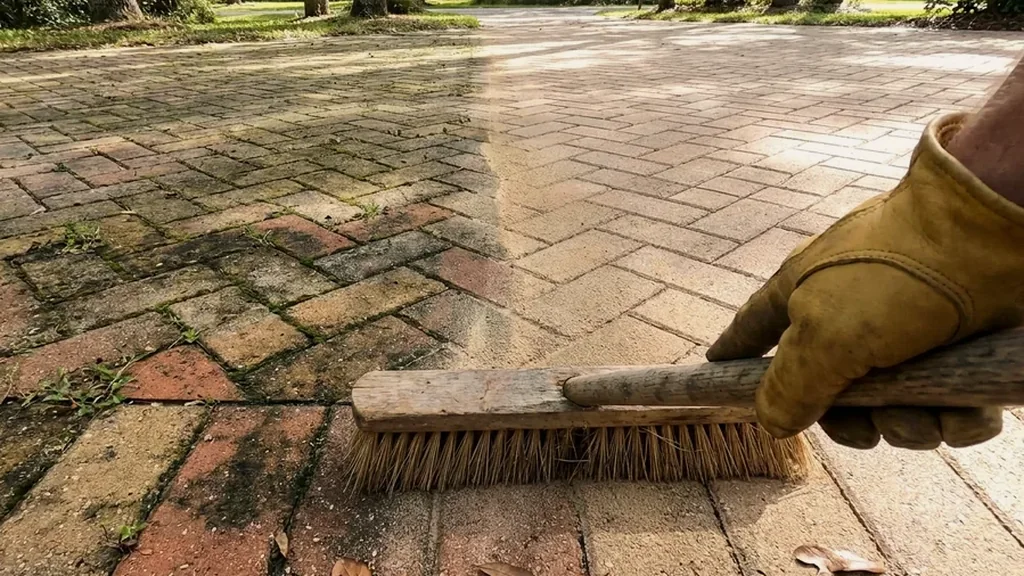
Picture a driveway gone chalky gray, with a green stripe along the shaded edge and weeds poking through the joints. After a wash, new sand and a fresh coat, the same stones read as one clean color again. Say what your driveway looks like when you book a free estimate, and a visit gets lined up around your week.
Why hire a local paver sealing contractor in Highlands?
Highlands stretches across a wide piece of the Northside, and its homes range from the 1940s to newer infill. A contractor who works here can explain how your lot fits that mix, so book a free estimate.
A free first look
A contractor checks your Highlands pavers at no charge and gives you a price before anything is agreed to, so you can compare.
A range to test bids
Published First Coast prices run $1.75 to $3.25 per square foot, a handy yardstick for any Highlands quote.
Pick a finish: flat or shiny
Matte keeps older brick tones calm and natural. A wet look deepens color but shows scuffs sooner on a busy drive.
Your call, your date
You choose the finish and the day. A Highlands estimate does not obligate you to hire anyone, and questions are welcome.
Get Your Free Estimate in Highlands
Tell us about your pavers in Highlands.
Free, no obligation
What paver problems show up most in Highlands?
Pavers older than the sealer on them
A real estate page for East Highlands counts 435 homes built from 1946 to 2022, with a median build year near 1957. Many pavers there arrived long after the houses, so the coat on top may be anyone's guess. The reason is simple: a water-based coat will not bond to solvent-based sealer. The contractor has to learn what is on the surface before choosing a product, and flaky or white patches must be stripped first. One small Highlands area lists a median living area near 1,448 square feet, so many jobs are a drive and a walk rather than a large layout.
Wet ground near the Trout River
The Trout River runs about 20 miles through the Northside and spreads to roughly six-tenths of a mile wide near the St. Johns. Its lower end is brackish. A Highlands lot that sits low and stays soggy lets pavers pick up film and green growth faster. Sealer needs a dry surface, so a lot like that may need extra drying time, and the low end of the drive should be checked first. Ask for a quick look at how water leaves your lot. The Ribault River, the Little Trout River and Moncrief Creek all feed the Trout, so water reaches the Northside from several directions.
Sand that drains from the joints
The USDA describes the Mandarin soil series in Duval County as fine sand with a water table that can sit 18 to 42 inches down. Add about 52 inches of yearly rain, much of it in hard summer storms, and joint sand moves. Empty joints invite soil, and soil invites weeds. A driveway with sand missing along the curb edge shows it first, and fresh sand goes in before any coat. A real estate guide for the area reports a median elevation near 17 feet, low enough that standing water after a storm is worth checking.
Green on the north side
Algae shows up where shade and moisture meet, such as the north side of a house or under a tree or patio roof. A Highlands walkway along a north wall is a likely spot. Shaded walkways usually need sealing less often than sunny drives, but they need washing more. The green comes off before sealing, because sealer would lock it in. A lanai edge or the back of a garage can hold the same pattern.
Orange streaks from sprinklers
University of Florida extension says most Florida well water is high in iron and leaves orange stains where irrigation lands. If your Highlands sprinklers run off a well, look for rust lines along the paver edges. Certain stains lighten with treatment, and certain ones stay faint. Ask the contractor what to expect before work starts, and point the spray heads away from the stones afterward. Treatment comes before sealing, since a coat over a stain would hold it in place.
Do the older and newer parts of Highlands need different paver plans?
Yes, a little, because Highlands mixes decades. East Highlands, around Monaco Drive and Pheasant Drive, has homes from 1946 on, and one small area counts 71 homes built from 1953 to 1970. Say which part of Highlands you are in when you book a free estimate.
ZIP 32218, where Highlands sits, covers about 97 square miles and held 67,040 people in 2020. About two thirds of occupied homes are owner-occupied, so many driveways belong to people who use them daily. Highlands Regional Library on Dunn Avenue and the zoo near the Trout River are easy ways to say which end of the area you mean. Call (904) 543-3876 and give a cross street or a landmark.
If your street has a homeowners association, its papers may speak to sealer color or finish. Florida law limits an association's review to what its governing papers state or reasonably imply. A wet look is more likely than a natural matte to raise a question. Read your papers first, then book a free estimate so the contractor can plan around them.
What does paver sealing cost in Highlands?
On the First Coast, published prices for cleaning, sanding and sealing run $1.75 to $3.25 a square foot. Where a Highlands job lands depends on green growth, empty joints and any failed old coat. Small patios can cost more per foot, because prep does not shrink with the surface. Quotes come after the joints and the old coat are inspected, so to price your own pavers, book a free estimate.
Old sealer that has turned white or flaky has to come off before a new coat, which adds cost. Carrying gear into a back patio by hand takes longer than rolling up to an open drive. One long driveway usually quotes simpler than a driveway plus walkway plus lanai. Phone (904) 543-3876 and describe which of these fits your Highlands home.
| Paved area | Typical example | Clean, sand and seal |
|---|---|---|
| 300 sq ft | Small patio or walkway | $525 to $975 |
| 600 sq ft | Two car driveway | $1,050 to $1,950 |
| 1,000 sq ft | Large driveway or pool deck | $1,750 to $3,250 |
| 1,500 sq ft | Driveway plus pool deck | $2,625 to $4,875 |
Math based on the $1.75 to $3.25 per square foot that Northeast Florida paver companies publish. Your contractor sets the actual price after seeing the surface. Repairs, leveling and stripping failed sealer are usually extra.
How does a paver sealing job work in Highlands?
Look the pavers over
The contractor walks the driveway, walkway or patio and notes low spots, shade and any earlier coat. In Highlands, where pavers often came after the house, an unknown old product is common. Sunken or lifted stones get repaired first, since sealing over a dip only keeps the dip. You hear the plan and a price in plain words, and photos of problem spots sent ahead can help. Bring up anything you know about earlier work, such as a receipt or a past installer. Many Highlands lots are modest in size, so the visit is often quick.
Wash the surface clean
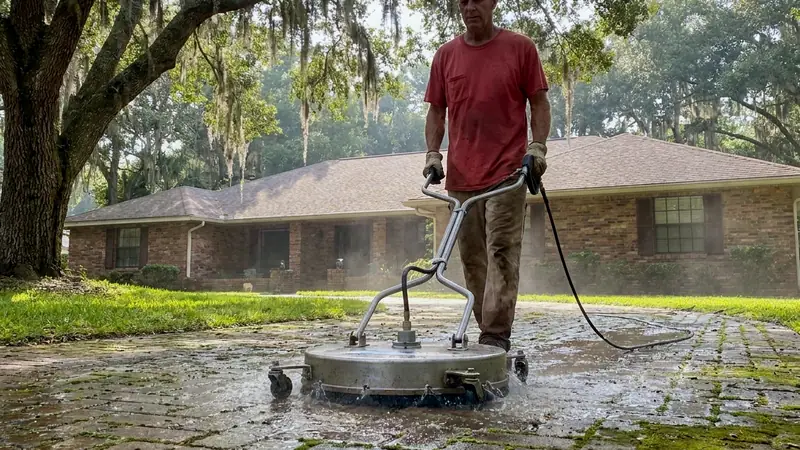
Dirt, algae and oil come off first. Pavers near damp ground or under shade usually need the most attention. Washing is gentle enough to leave the sand mostly in place, because hard spraying can pull it out. Rust marks from sprinkler water get treated here as well, and cars and furniture are moved out of the way.
Fill the joints with sand
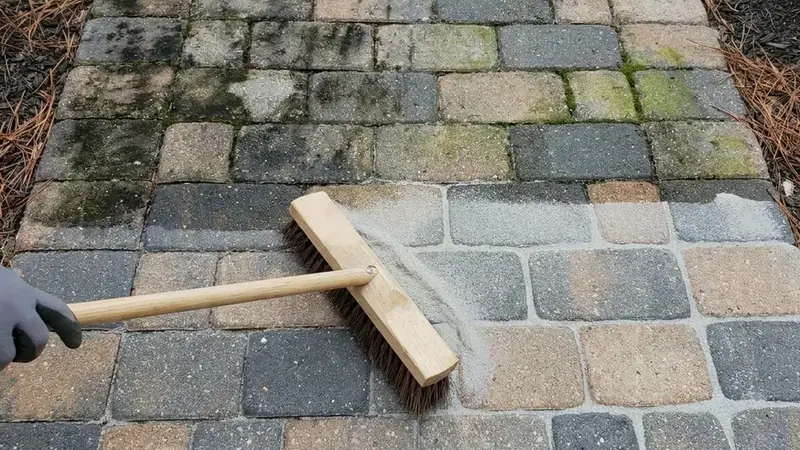
Washing clears out joint sand, so new sand goes in and the surface is swept. On Highlands ground that is mostly fine sand, open joints let soil settle in. Full joints also hold the stones together. If the sand has sat low for years, expect this step to run longer than you would guess. Matching the sand color to your stones keeps the finished surface looking clean.
Let everything dry
Jacksonville's rain falls mostly between May and September, and sealer needs dry stones. A shaded Highlands walkway may stay damp after a sunny drive has dried. The contractor watches the forecast and holds off if rain is near. A Surebond bulletin says most of its sealers want a full 24 hours of dry time after cleaning or rain, and sealer put down over moisture can cloud.
Spray, roll and cure
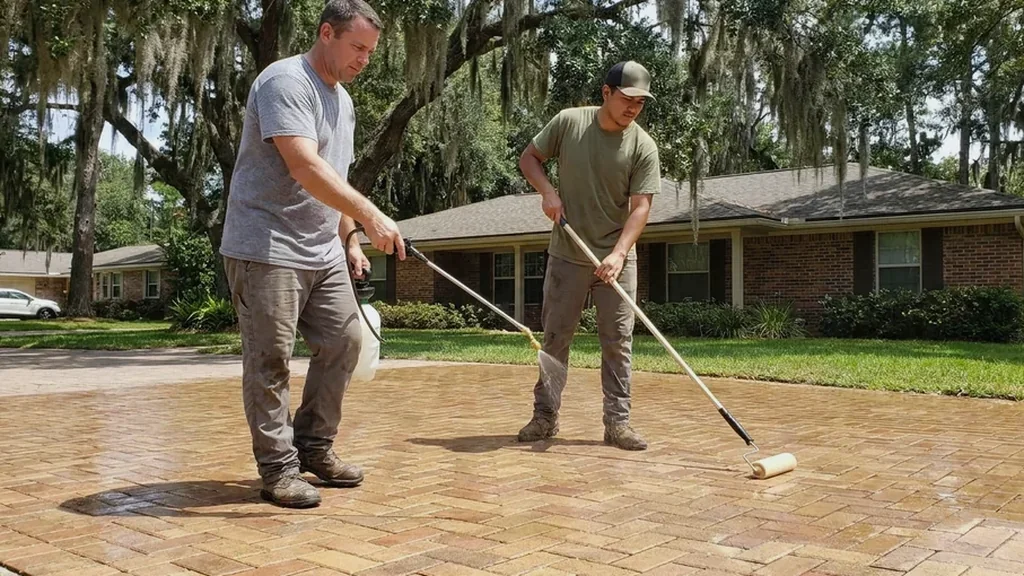
Sealer is laid on with a sprayer and then back-rolled to push it into the joints. You choose matte or a wet look. People can often walk on it within a few hours, and cars need about a day. Companies commonly quote two to five years before the next coat, and a driveway that sees daily tires may call for a more scuff-friendly finish. Ask which finish the contractor would pick for your own driveway.
Complete paver services in Highlands
A Highlands job runs in four stages: wash, re-sand, dry and seal. The wash clears algae and grime. Fresh sand locks the stones together, and sealer goes on last so nothing dirty is trapped. Ask how long each stage takes on your lot when you call (904) 543-3876.
Driveways carry daily weight, and a turning tire can scuff a wet look finish. Walkways along shady walls collect green growth, while back patios take sunscreen, furniture and spills. Each surface wears its own way. Tell the contractor which you have when you book a free estimate.
Sealer choice comes down to water-based or solvent-based, then matte or wet look. If an earlier owner used a solvent-based product, a water-based one cannot follow it. Matte suits older, quieter homes, while a wet look brings out color on newer pavers. Phone (904) 543-3876 to talk through which suits your Highlands house.
Jacksonville rain comes in short, hard storms from May to September, so mornings work best for sealing. The drier months, November through April, give steadier windows. A job can slide a day or two when the forecast turns. To ask about dates that suit your street, book a free estimate.
Questions to ask before you hire
- What does the price cover if I only want the front walkway done?
- Will your estimate point out any pavers heaved by oak roots?
- Do you seal the sides of the pavers where they meet my lawn and flower beds?
- Which finish suits an older, worn surface: matte, satin or wet look?
- How do you confirm the pavers are dry all the way down before you apply sealer?
- Can you work in a narrow driveway or tight side yard without blocking the street?
- Can you clean and seal brick pavers that have been in the ground for decades?
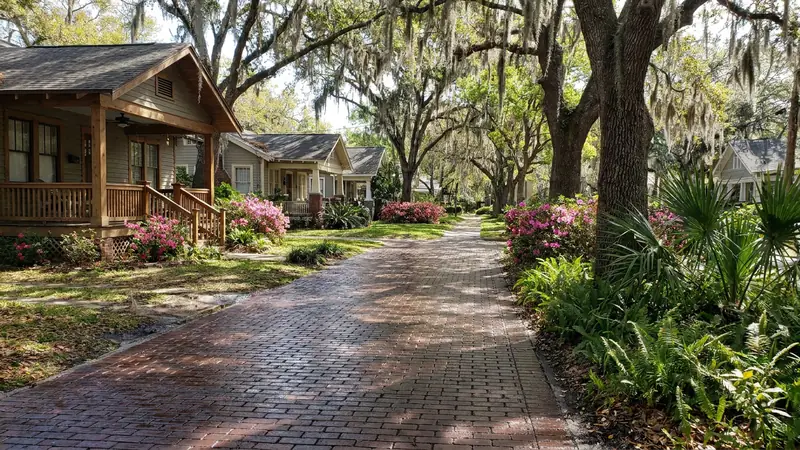
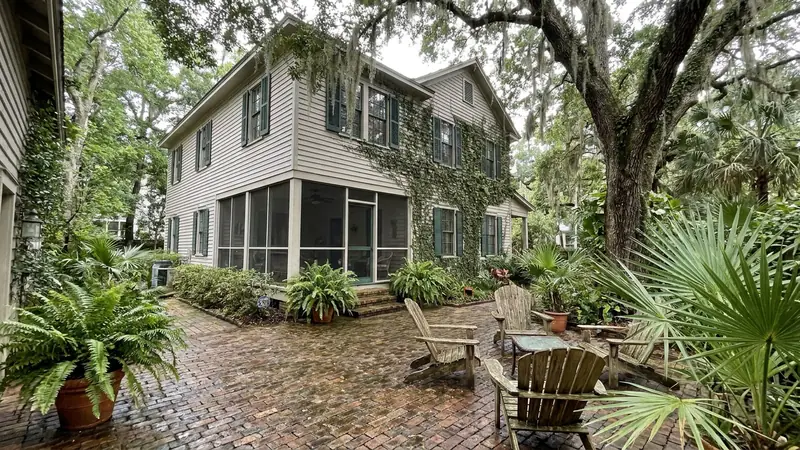
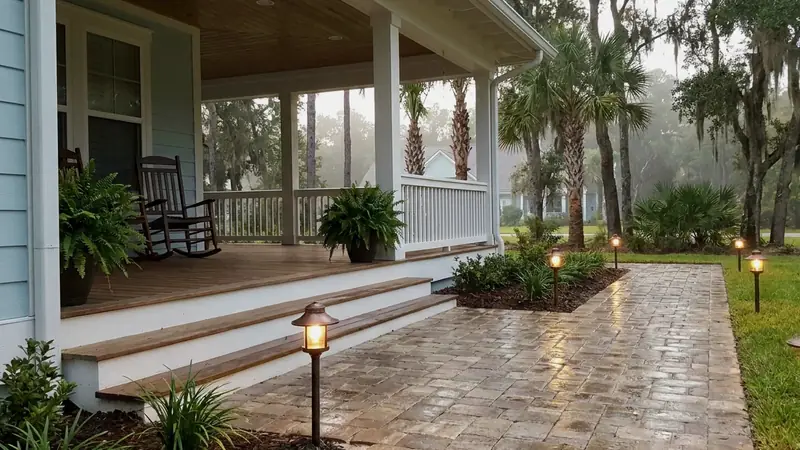
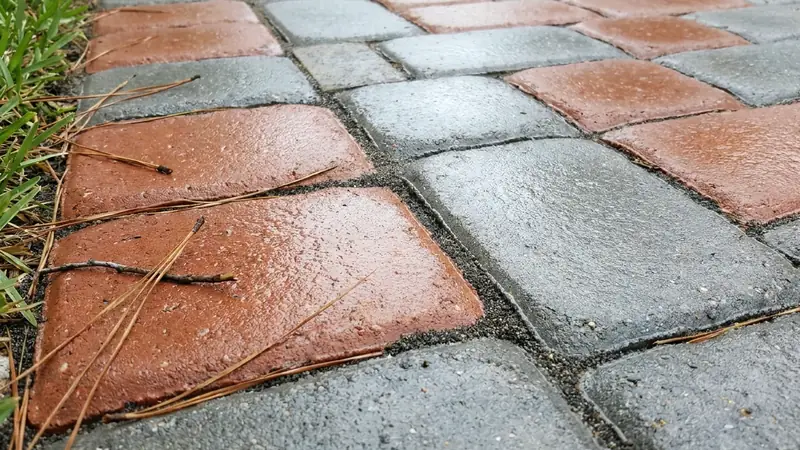
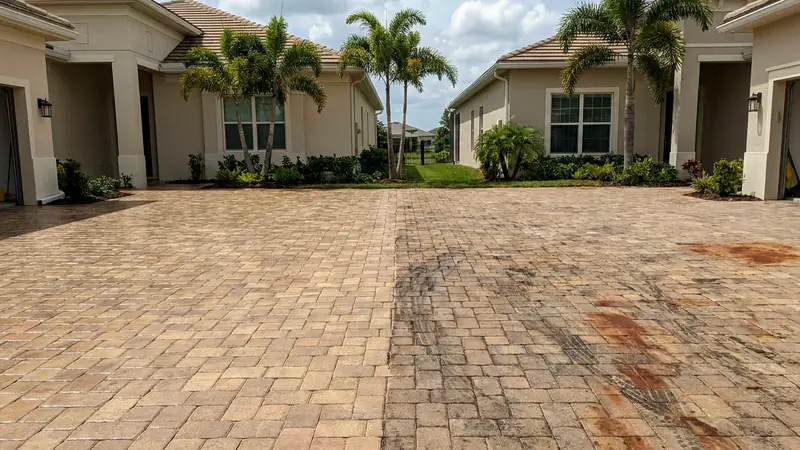
What do sealed pavers look like around Highlands?
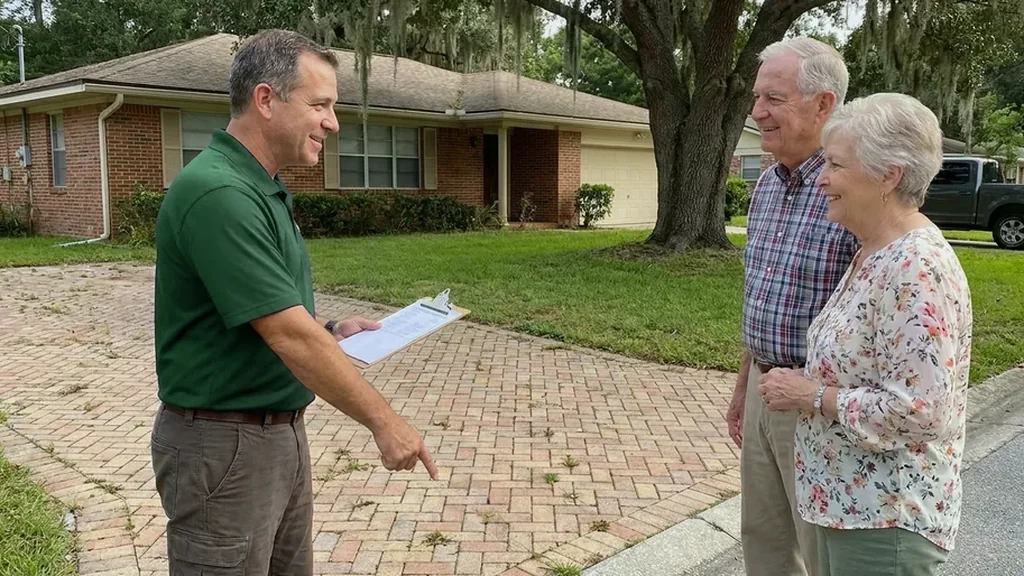
Why local matters in Highlands
A contractor who works the Northside knows Highlands is not one uniform subdivision. A 1950s street off Dunn Avenue and a newer infill lot can need different plans, and streets near Highlands Regional Library can look nothing like blocks closer to the river. Phone (904) 543-3876 to reach someone who works this part of Duval County.
Water is the other local piece. The Trout River is brackish at its lower end, and low ground near it can stay wet. A contractor from this side of town asks where puddles form, because that is where growth and sand loss show first. You can book a free estimate and bring that up from the start.
Paperwork is part of it as well. Some Highlands streets have an association and some do not. A local contractor knows to ask before choosing a color or gloss level. If you are unsure, book a free estimate and name your street, with no obligation to go ahead.
What landmarks help place Highlands on the Northside?
Jacksonville Zoo and Gardens, at the mouth of the Trout River, shares ZIP 32218 with Highlands. The zoo moved to that riverside site in 1925 and now covers about 122 acres. Highlands Regional Library on Dunn Avenue and Ray Greene Park on Leonid Road, which opened in 1957, are two other anchors. If you live near any of them, phone (904) 543-3876 and say so.
The North Campus of Florida State College at Jacksonville, off Dunn Avenue near I-295, welcomed its first classes in 1970. Highlands joined the city with the 1968 consolidation, so its older homes sit in the first wave of Northside growth. A named landmark helps a contractor find your street quickly. When you book a free estimate, mention the closest one.
Frequently Asked Questions
How much does it cost to seal pavers per square foot in Highlands?
Expect $1.75 to $3.25 per square foot for the full clean, sand and seal, which is what First Coast companies post. Highlands jobs shift inside that range with shade growth, empty joints and old sealer. Ask for the total square footage in the quote so you can compare bids. The ZIP counts 28,729 housing units, so quotes vary street by street.
Is it good to seal pavers in Florida, and in Highlands?
Yes, for most driveways. Sealer steadies joint sand and slows fading and stains. Jacksonville's hard summer rain washes sand out of unsealed joints, and one Jacksonville company says the sun noticeably fades unsealed concrete pavers within three to five years. Sealed joints also stay fuller, which keeps weeds out longer.
Can one visit clean, sand and seal my Highlands pavers?
Usually, though the sealing waits until the pavers are fully dry. One Jacksonville company says most driveways are cleaned, sanded and sealed in a day. Bigger layouts or heavy green growth can stretch that.
Why is paver sealing so expensive in Highlands?
Prep eats most of the time, not the sealer itself. A Jacksonville company says it puts two to three hours of prep behind every hour of sealing. A compact patio often prices higher per foot, as prep time barely shrinks.
Is it better to spray or roll paver sealer?
Professionals typically do both. A sprayer lays it down evenly, and a roller then pushes it into the joints. Extra sealer left to dry can leave cloudy patches, a trade bulletin warns, so ask how the contractor applies it.
How long does sealer last on Highlands pavers?
Published guidance from companies here spans two to five years between coats. PaverGuard, a Jacksonville company, figures 18 to 24 months for sunny driveways and 24 to 36 months for shaded walks. If water stops beading and soaks in, the coat has done its job.
Does sealing fix sunken pavers in my Highlands driveway?
No. Stones that have sunk or lifted get repaired ahead of any sealer, since a coat over a dip only preserves it. Mention low spots at the first visit and they go into the plan.
Does this cover Highlands in Jacksonville, ZIP 32218?
Yes. A contractor serves Highlands in Duval County, the part of the Northside near Dunn Avenue and the Trout River. Give your cross streets when you call and you will hear back within 1 business day, usually much sooner. Your street name is enough to get the ball rolling. ZIP 32218 covers about 97 square miles of the Northside, so naming your street helps.
What is the downside of sealing pavers in Highlands?
The coat wears out and needs renewing down the road, and a wet look shows scuffs sooner than matte. Stones must also be dry, so a storm can push the date back. Thin prep is the remaining risk, so the wash and the sand always come first.
Can a new coat go over old sealer on my Highlands pavers?
Only when the types match. A water-based coat will not bond to solvent-based sealer, and failed or flaky coats must be stripped first. The contractor checks the surface at the first visit, which matters on older Highlands homes where the last owner is unknown.
How long should cars stay off sealed pavers in Highlands?
Plan on about a day. One Jacksonville company says foot traffic is usually fine within a few hours and cars should wait about 24 hours, depending on the sealer and the weather.
Do I need to wash my Highlands pavers before sealing?
Yes, always. Sealer over dirt or algae locks the grime in and can leave a blotchy finish. The contractor washes, replaces lost joint sand and waits for a dry surface before any coat goes on.
Nearby areas we serve
Ready for a Free Estimate in Highlands?
Call (904) 543-3876 and tell us about your pavers.
Free, no obligation